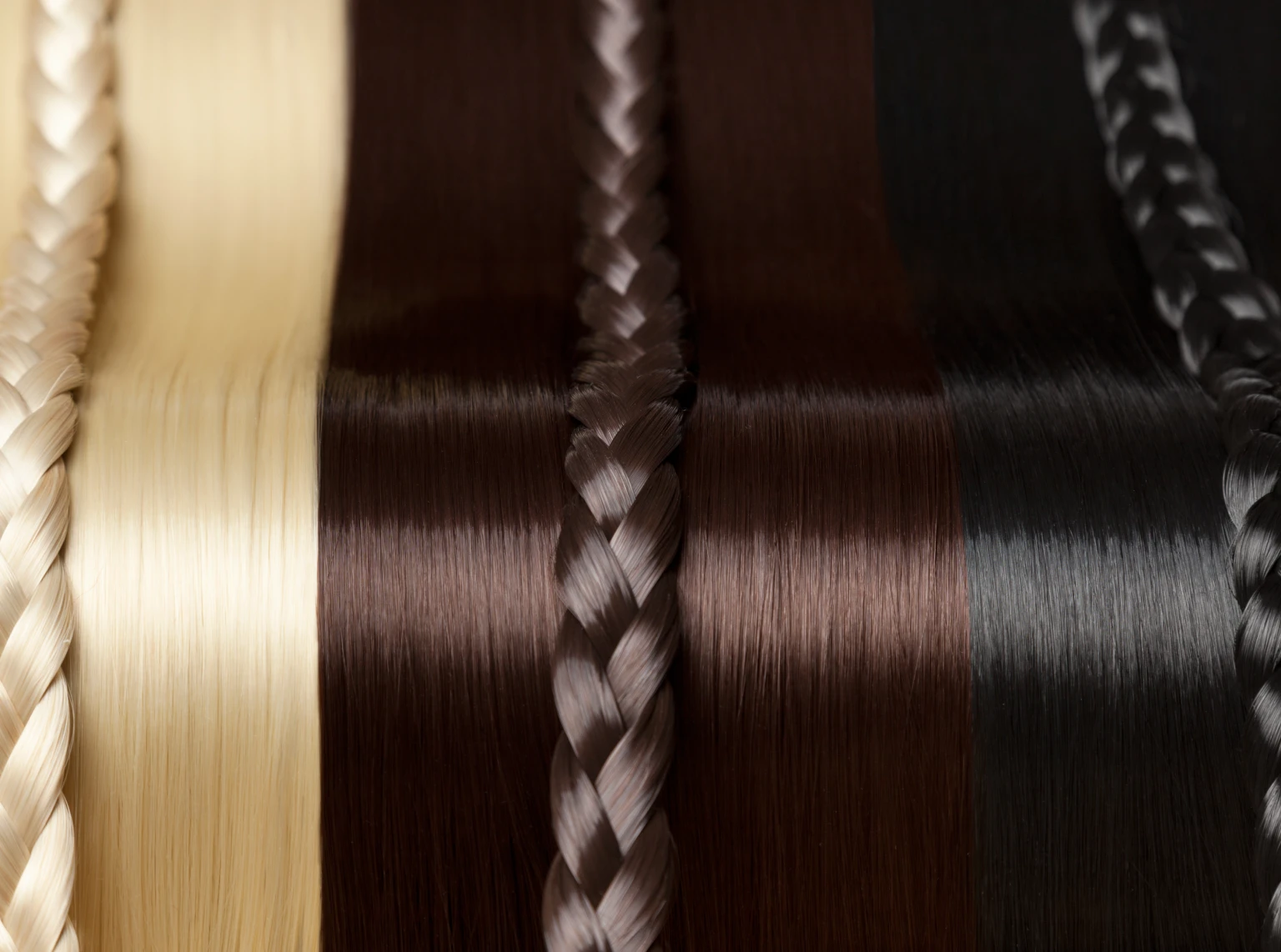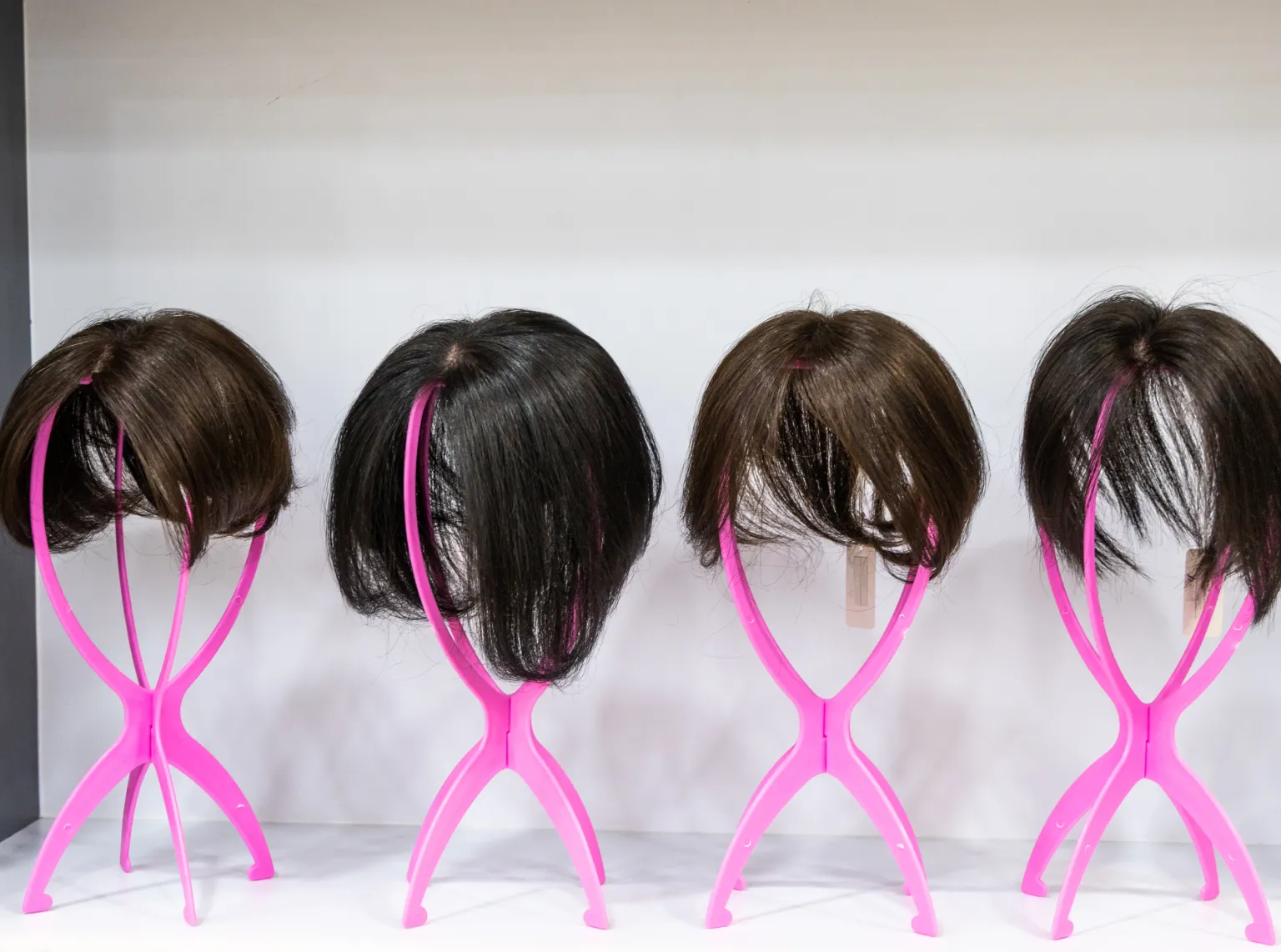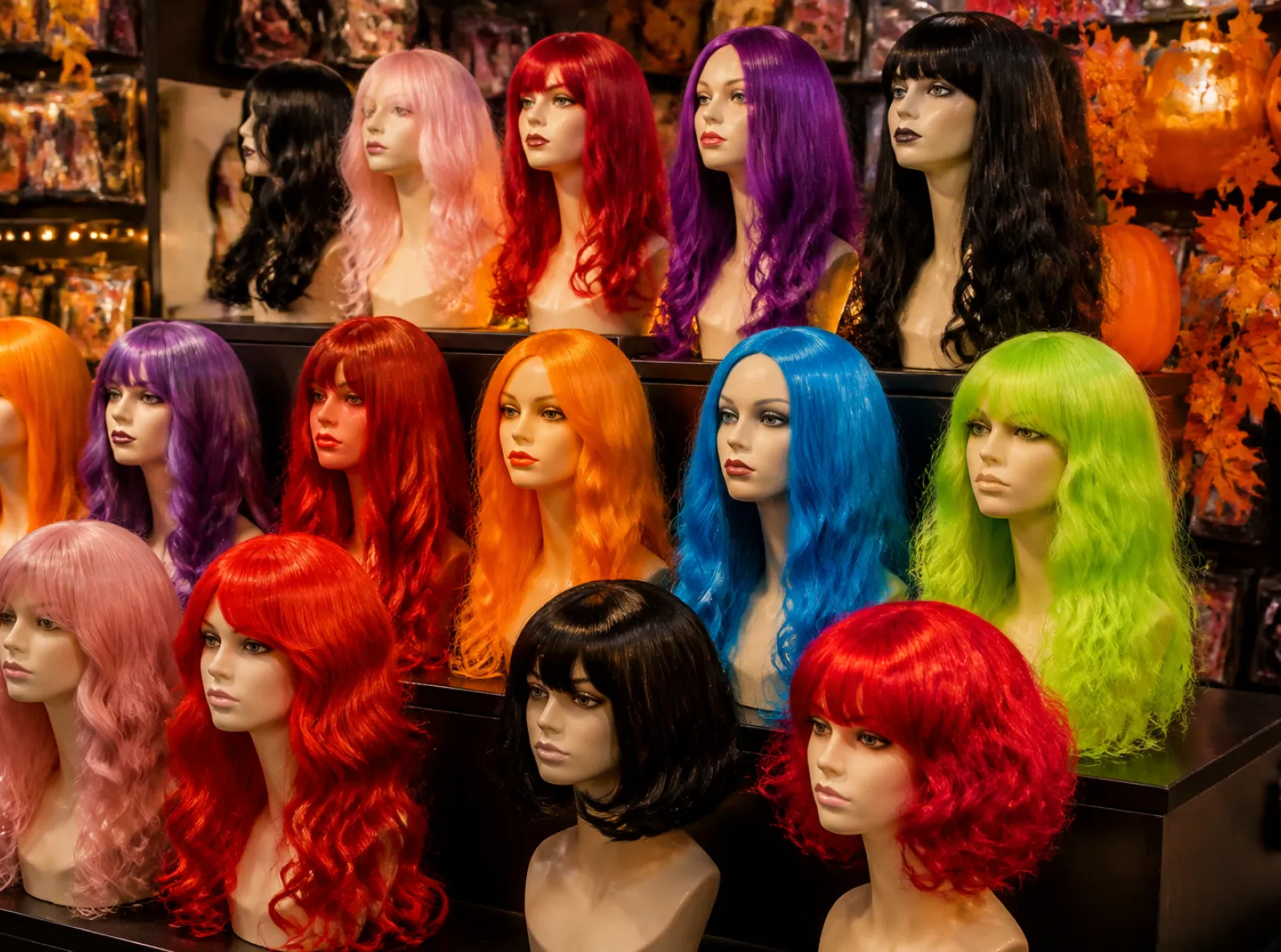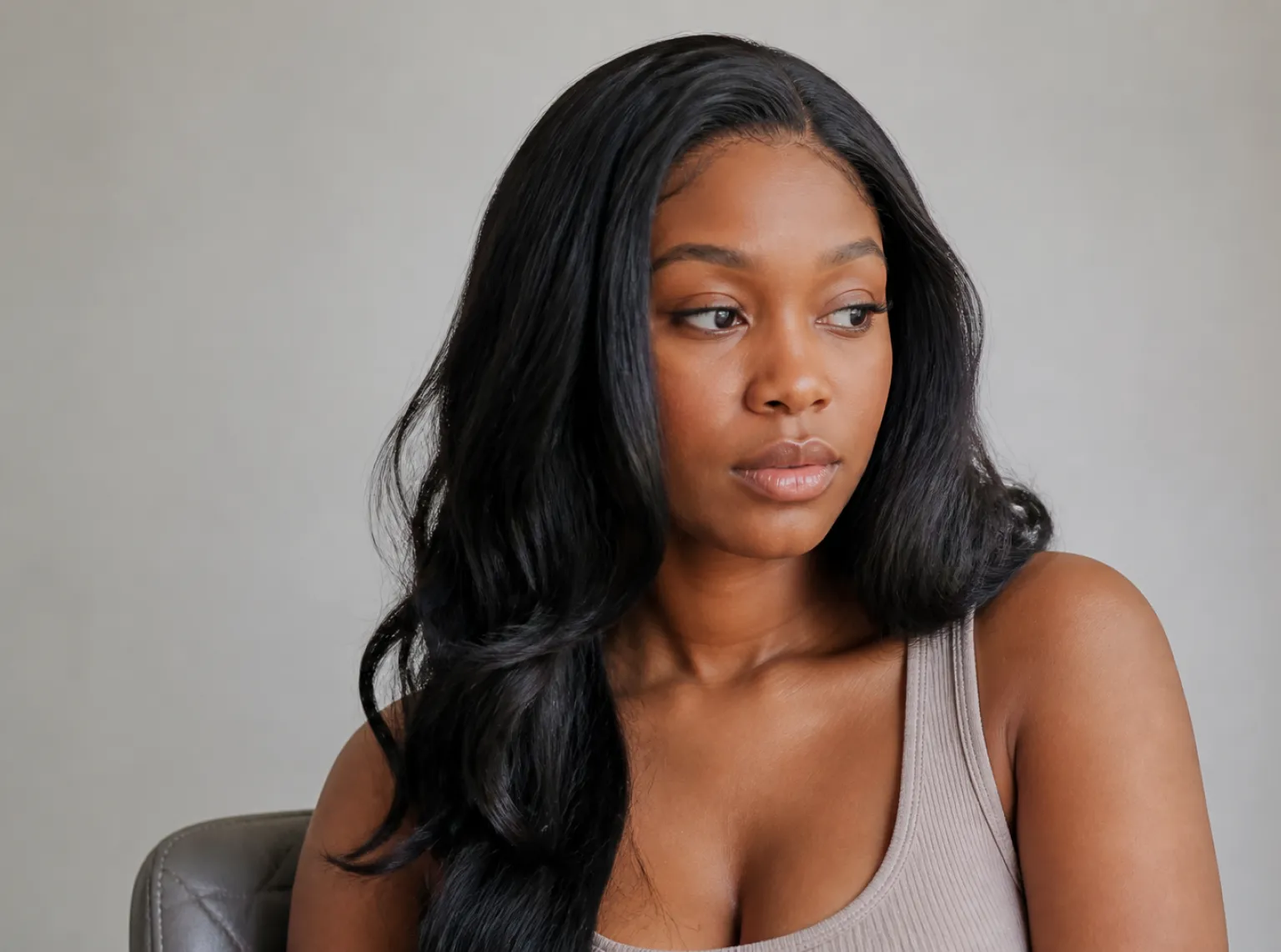

The wig trade is one of the few beauty categories where a small entrant with a defined niche and a disciplined sourcing process can still build a durable brand. Grand View Research valued the global hair wigs and extensions market at USD 15.2 billion in 2025 and projects it to reach USD 31.1 billion by 2033, a 9.6% compound annual growth rate. Wigs alone account for 47.3% of that revenue, and North America holds a 39.7% share of global demand, making it the primary target market for most new sellers. Demand comes from three directions at once: everyday fashion wear, medical hair loss, and the costume and entertainment segment that peaks every October.
The short version. A lean online wig business typically launches for $3,000 to $15,000. The sequence that works: choose a niche, register the business, order samples from at least three factories, calculate landed cost before setting retail prices, and launch with a narrow catalog you can reorder quickly. The sections below walk through each step with the numbers and specification standards we use when advising wholesale buyers at the factory level.
The Market Case for Entering the Wig Business Now
Three structural factors keep this category growing. First, wigs have shifted from occasional purchases to routine styling tools, which shortens replacement cycles and supports repeat buying. Second, medical demand from chemotherapy patients and people with alopecia provides a stable, non-seasonal revenue base. Third, social platforms and conventions have turned costume and cosplay wigs into a year-round segment rather than a Halloween-only line.
Human hair products hold the larger revenue share at 52.7%, but synthetic wigs carry the lower entry cost, the wider color range, and the faster production cycles. For a first-time founder, that combination matters more than prestige pricing. A synthetic unit retailing at $40 to $90 leaves room for a healthy margin over a factory cost that is a fraction of the retail figure, while a human hair program demands far more inventory capital per SKU and exposes you to raw hair price swings.
Choose a Niche Before You Choose a Product
New sellers fail most often at this step. They buy a mixed container of whatever a supplier pushes, then discover their store stands for nothing. Pick one customer group and build the first catalog around it.
Fashion and Daily Wear
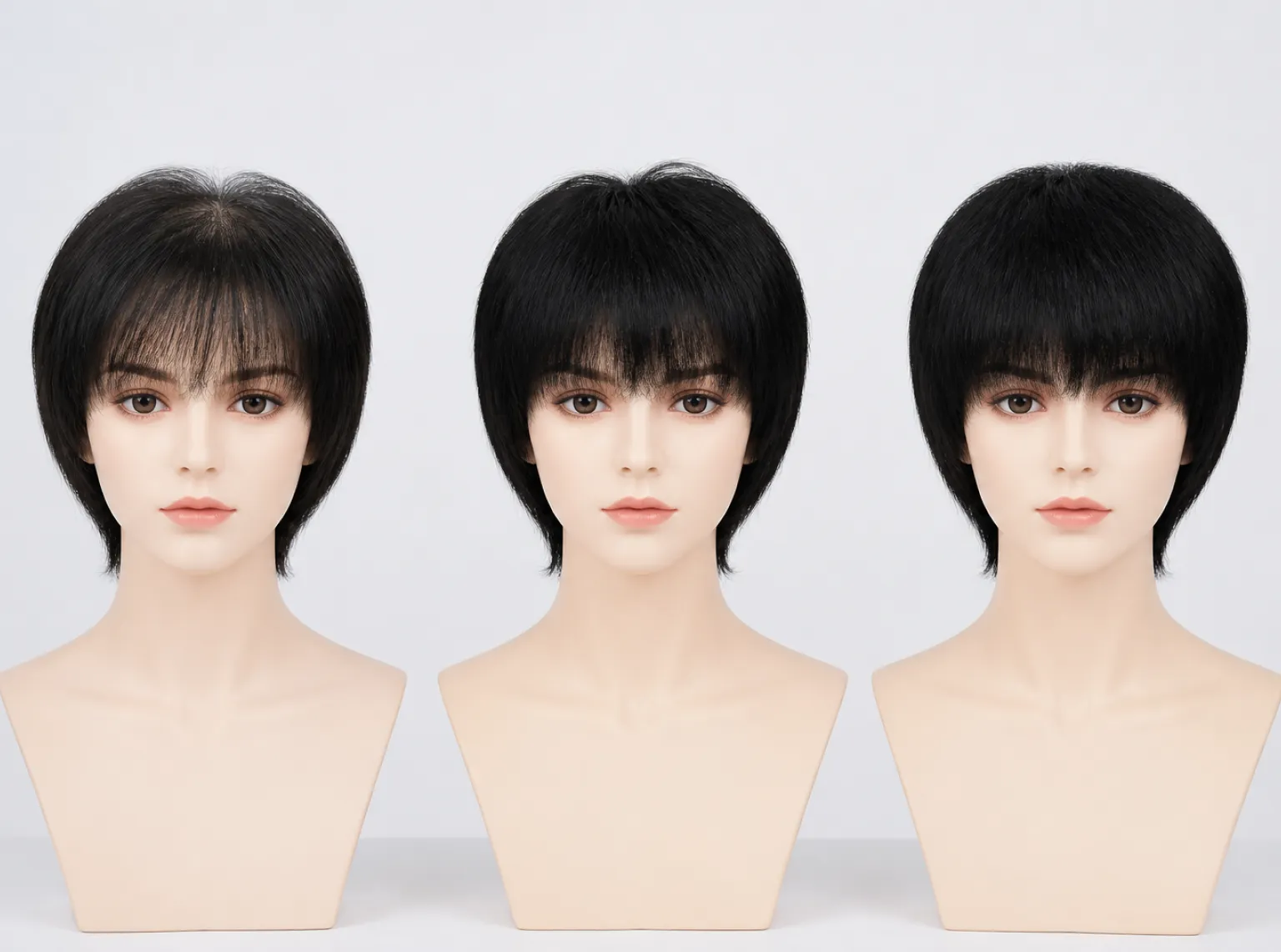
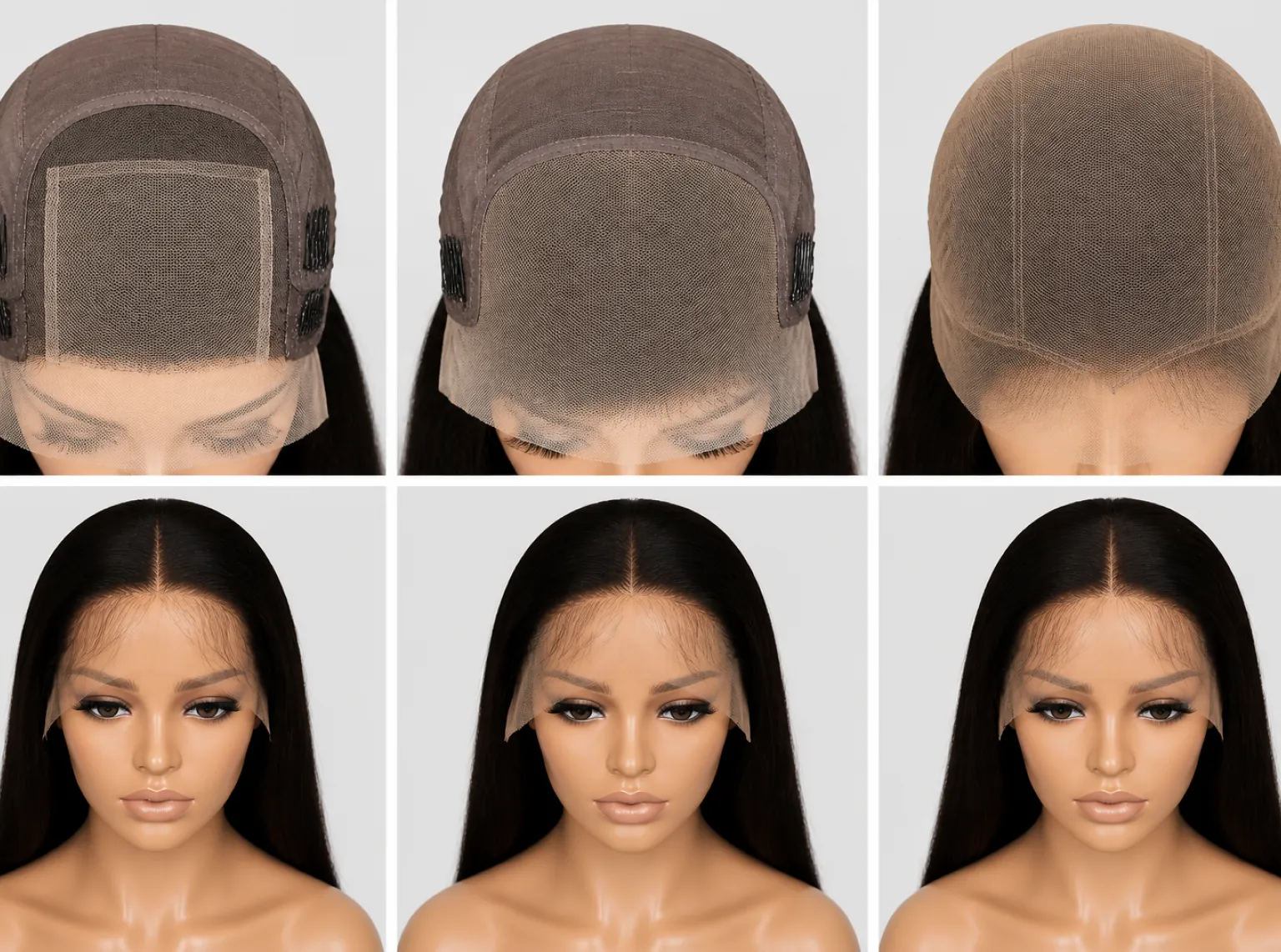
This segment centers on natural-looking units: lace front wigs, glueless wigs, and bob wigs in wearable shades. Buyers here compare cap comfort, hairline realism, and shedding. Return rates run higher because fit is subjective, so cap sizing accuracy becomes a commercial issue, covered in detail in our cap sizing and measurement standards guide.
Costume, Party and Seasonal
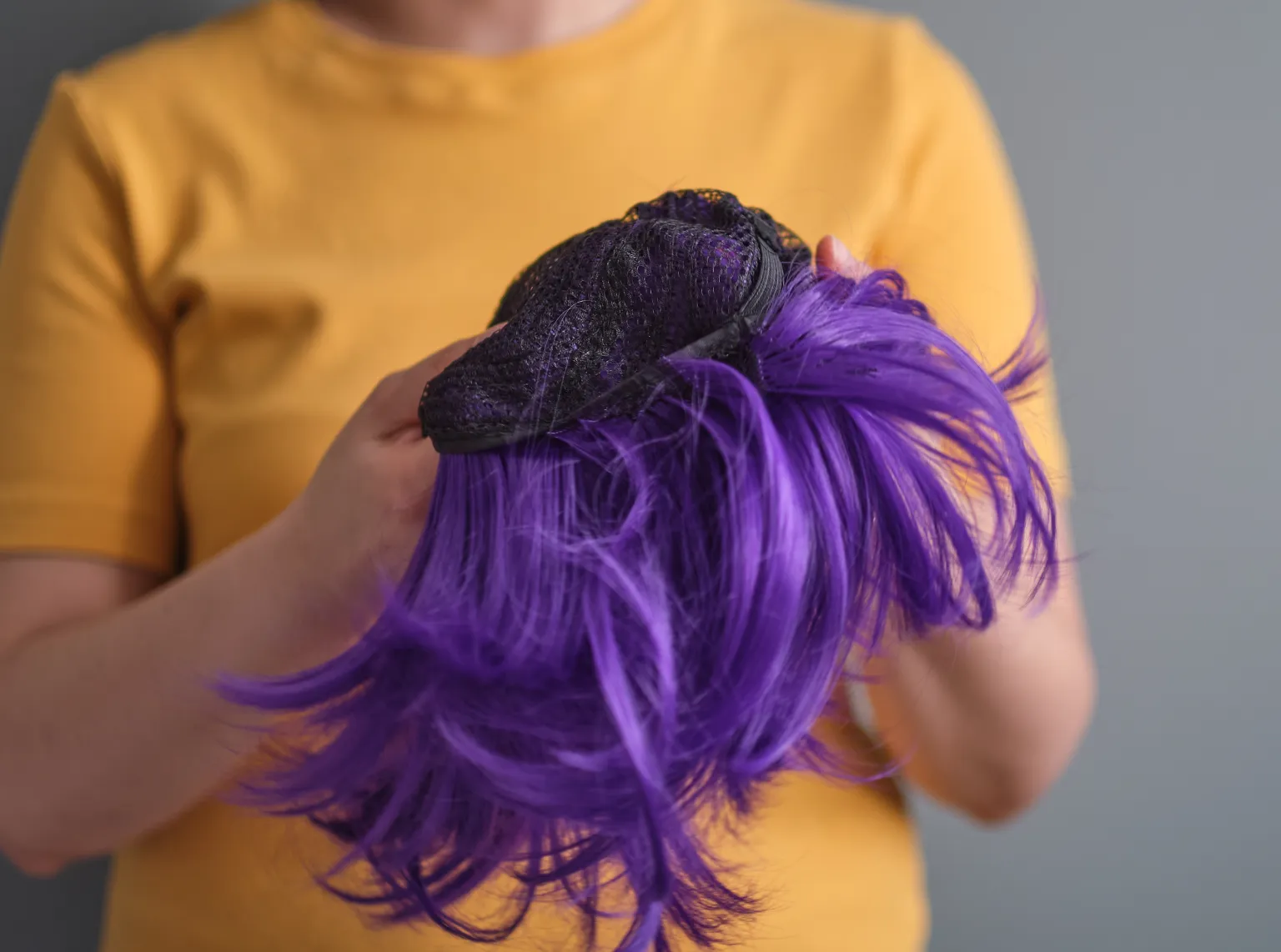
Halloween wigs, party styles, and character-accurate cosplay units sell on color accuracy and volume, and buyers tolerate firmer caps and bolder fibers. The trade-off is seasonality: a large share of annual volume ships between August and October. Sellers in this niche need a factory that responds to trend requests fast, because a character that goes viral in June defines your Q4 purchase order.
The Decision Rule
Evaluate a niche on three numbers: average selling price, expected return rate, and reorder frequency. Daily wear wins on reorder frequency but demands tighter quality control. Costume wins on margin per unit and QC tolerance but concentrates revenue in one quarter. Medical and salon channels offer the steadiest demand but require certifications, consultation skills, and often local licensing. Write these three numbers down for your top two candidate niches before you spend anything on inventory.
Legal and Administrative Setup
Using the United States as the reference market, the standard sequence is straightforward. Form an LLC or equivalent entity, obtain a federal EIN from the IRS, and register for a seller's permit or resale certificate in your state. The resale certificate lets you purchase inventory without paying sales tax at the wholesale point, since tax is collected when you sell to the end customer. Add a local business license where required, and budget $100 to $500 for the full formation and permit stack.
Two clarifications that save new founders trouble. You do not need a cosmetology license to sell wigs; you need one only if you plan to cut, color, or install units on clients as a paid service. And product liability insurance is worth pricing early, because marketplace sellers on Amazon and some wholesale accounts will ask for a certificate before onboarding.
Startup Budget: Where the Money Actually Goes
Most online wig businesses launch between $3,000 and $15,000. Inventory consumes the largest share, and working capital is the line founders most often skip. The table below reflects realistic planning ranges for a lean launch.
| Cost Category | Typical Range | Notes |
|---|---|---|
| Samples and first inventory order | $2,000 - $10,000 | Largest line; depth beats breadth at launch |
| Business formation and permits | $100 - $500 | LLC filing, EIN (free), seller's permit |
| E-commerce platform and store design | $400 - $3,000 first year | Shopify or equivalent, theme, product photography |
| Branding and packaging | $500 - $2,000 | Logo, labels, hang tags, custom packaging |
| Marketing, first 90 days | $500 - $2,000 | Content, creator seeding, small paid tests |
| Working capital reserve | $3,000 - $5,000 | Covers restocks, shipping surprises, six months of fees |
Keep the working capital reserve intact. The most common early failure is a seller who sells out a first order, then cannot fund the restock for six to eight weeks while the factory produces and the freight moves. Momentum lost at that point rarely comes back.
Sourcing: How to Work With a Wig Manufacturer
Sourcing decisions lock in your margin structure for years. Treat the first factory relationship as an audition, and run it in stages.
Stage One: Samples Before Volume
Order samples from at least three candidate factories before committing to any purchase order. A responsive factory ships catalog samples within days; a three-day sampling turnaround is the benchmark we hold ourselves to, and anything beyond two weeks signals capacity or communication problems. Test each sample for fiber feel, colorfastness under washing, weft stitching density, cap seam strength, and lace softness at the hairline. Wear one unit for a full day. If you would not wear it, your customers will return it.
Stage Two: Written Specifications on Every PO
Verbal agreements produce disputed shipments. Every purchase order should state fiber type, length and tolerance, wig density percentage, cap size and construction, color code against a physical swatch, packaging format, and the AQL inspection standard applied before shipment. Density alone changes unit weight and freight cost by 30% or more between a 130% and a 200% build, so it belongs on the document, not in a chat thread.
Stage Three: Scale With Reorder Discipline
Start with the factory's minimum order quantity rather than the quantity that maximizes your discount. Tiered pricing typically breaks at 500, 1,000, and 3,000 pieces per SKU, but a cheaper unit price on a style you cannot sell is expensive inventory. Reorder your proven sellers monthly and add one or two test SKUs per cycle. Full private label development, including custom colors and packaging, becomes economical once a SKU proves itself; our OEM and ODM manufacturing guide covers that path in detail, and our supplier vetting framework lists the verification steps for any factory you evaluate, including us.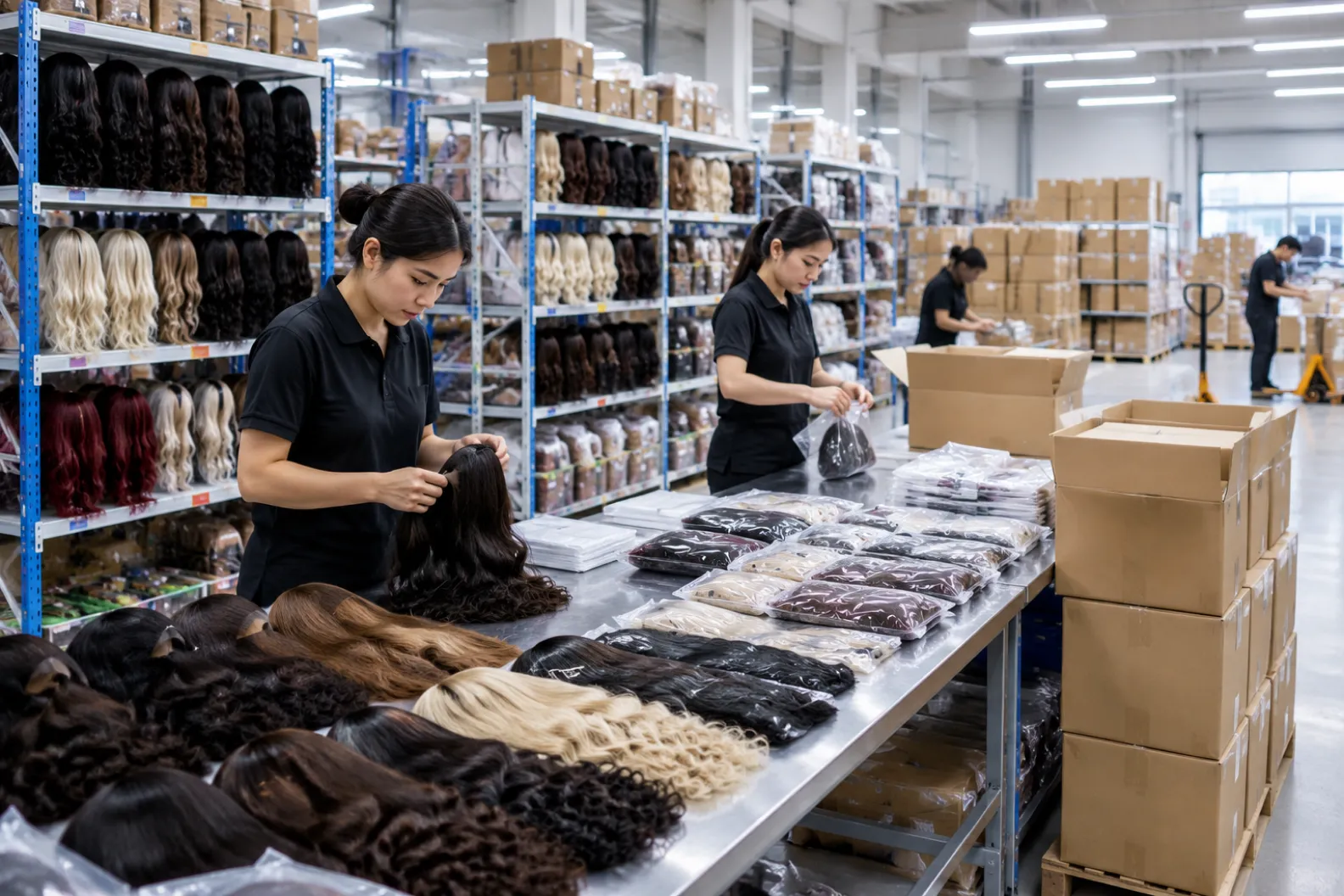
Landed Cost, Duties and Retail Pricing
Retail pricing built on the factory quote alone loses money. The correct base is landed cost: unit price plus international freight, insurance, customs duties, and domestic delivery to your warehouse, divided by units received. Wigs classify under HTS heading 6704 in the U.S. tariff schedule, and the duty outcome depends on fiber type and country of origin; China-origin shipments carry additional considerations covered in our 2026 North America tariff briefing. If your supplier offers DDP terms, the quote already includes duty and delivery, which simplifies the math for a first shipment.
A workable pricing rule: retail at roughly 2.5 times landed cost, then benchmark against five direct competitors selling comparable specs. A unit that lands at $18 retails near $45, which covers platform fees, marketing cost per sale, and a margin worth defending. Sellers who price off the factory quote instead of landed cost discover the difference in their first customs invoice.
Sales Channels and the First 90 Days
An owned storefront gives you margin and customer data but requires you to generate traffic. Marketplaces deliver traffic and take it back in fees and policy risk. Most durable wig brands run both: a Shopify store as the brand home, plus one marketplace for volume. Whichever mix you choose, the first 90 days should produce three outputs: a validated best-seller, a repeatable content format that shows your units on real heads, and a reorder placed before your top SKU sells out.
Measure weekly. Sell-through rate per SKU, return rate and stated reason, and contribution margin after fees tell you what to reorder, what to discount, and what to discontinue. Sellers who track these three numbers from day one make their second purchase order dramatically better than their first.
Build Your Supply Partnership With Raysman
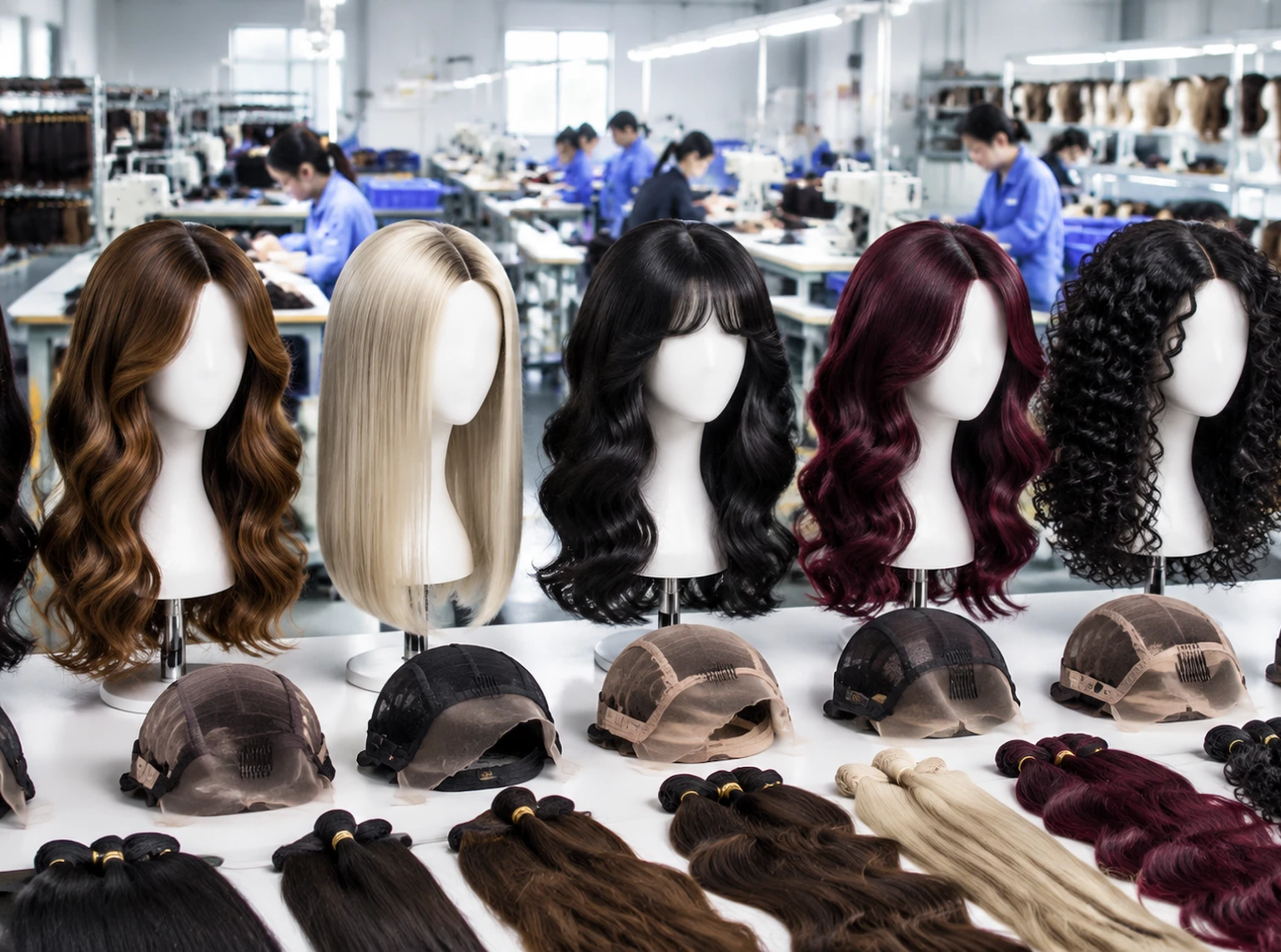
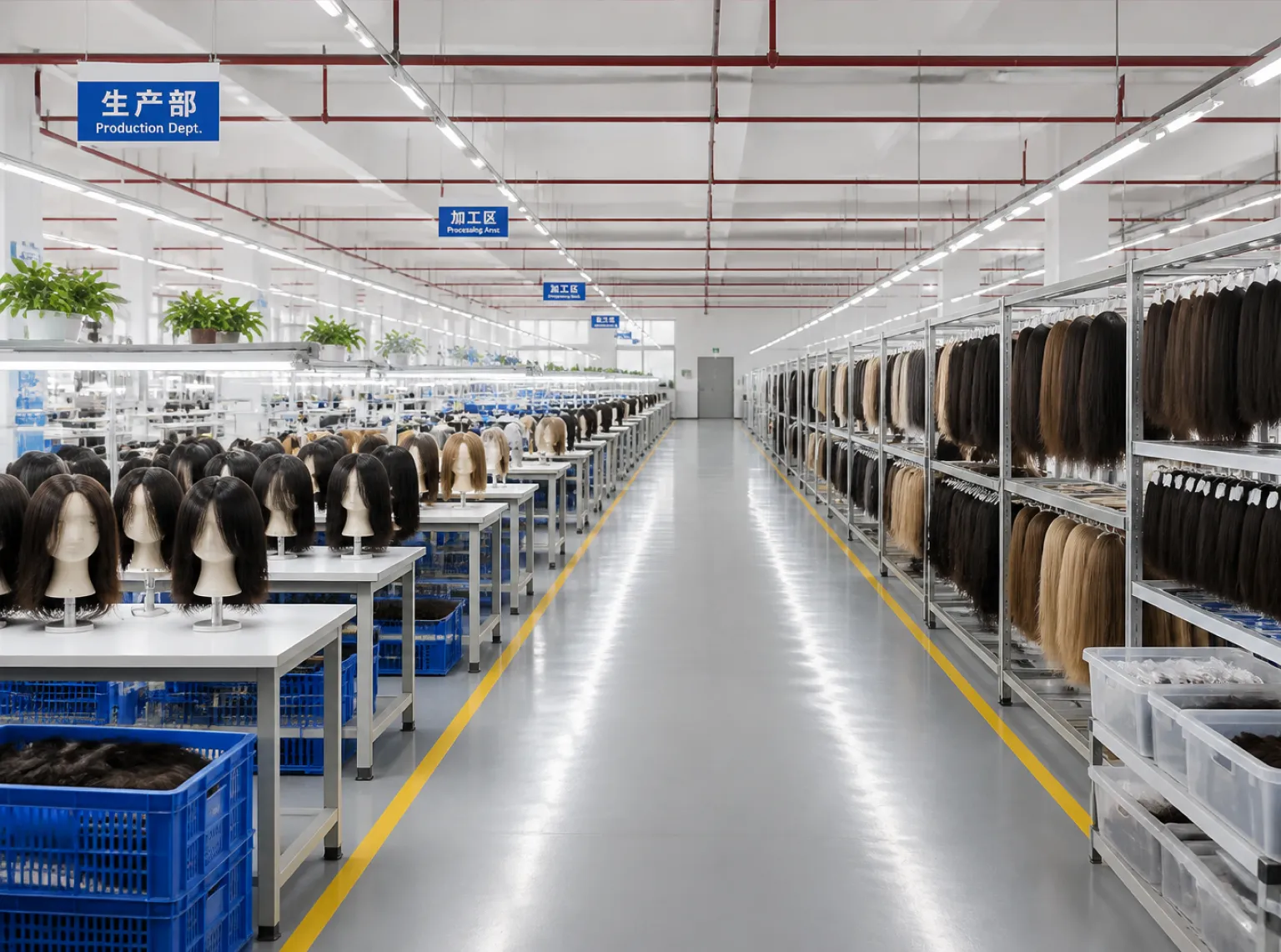
Raysman is a synthetic wig manufacturer operating a 10,000-square-meter facility in Longyou, Zhejiang, with 16 years of production heritage behind the current company. The catalog covers fashion synthetic wigs, colored wigs, party and costume styles, with flame-retardant fiber processing and ISO 9001, BSCI, and OEKO-TEX Standard 100 certification across the line. Sampling ships in 3 days, bulk production runs on a 30-day cycle, and export support covers FOB Ningbo or Shanghai as well as DDP to the US, UK, EU, AU, and CA.
If you are planning a first order, send your target styles, quantities, and destination through our wholesale program page, or describe a custom concept on the custom development page. A tiered quote comes back within 24 hours, and catalog samples ship in 3 days so you can test before you commit.
-

Raysman
Synthetic Wig Manufacturer
Raysman is a Zhejiang-based synthetic wig manufacturer specializing in party, costume, and fashion color wigs — producing over one million pieces a year from our 10,000 m² Longyou facility. We are BSCI, ISO 9001, and OEKO-TEX Standard 100 certified, and a designated supplier to Disney and Walmart.